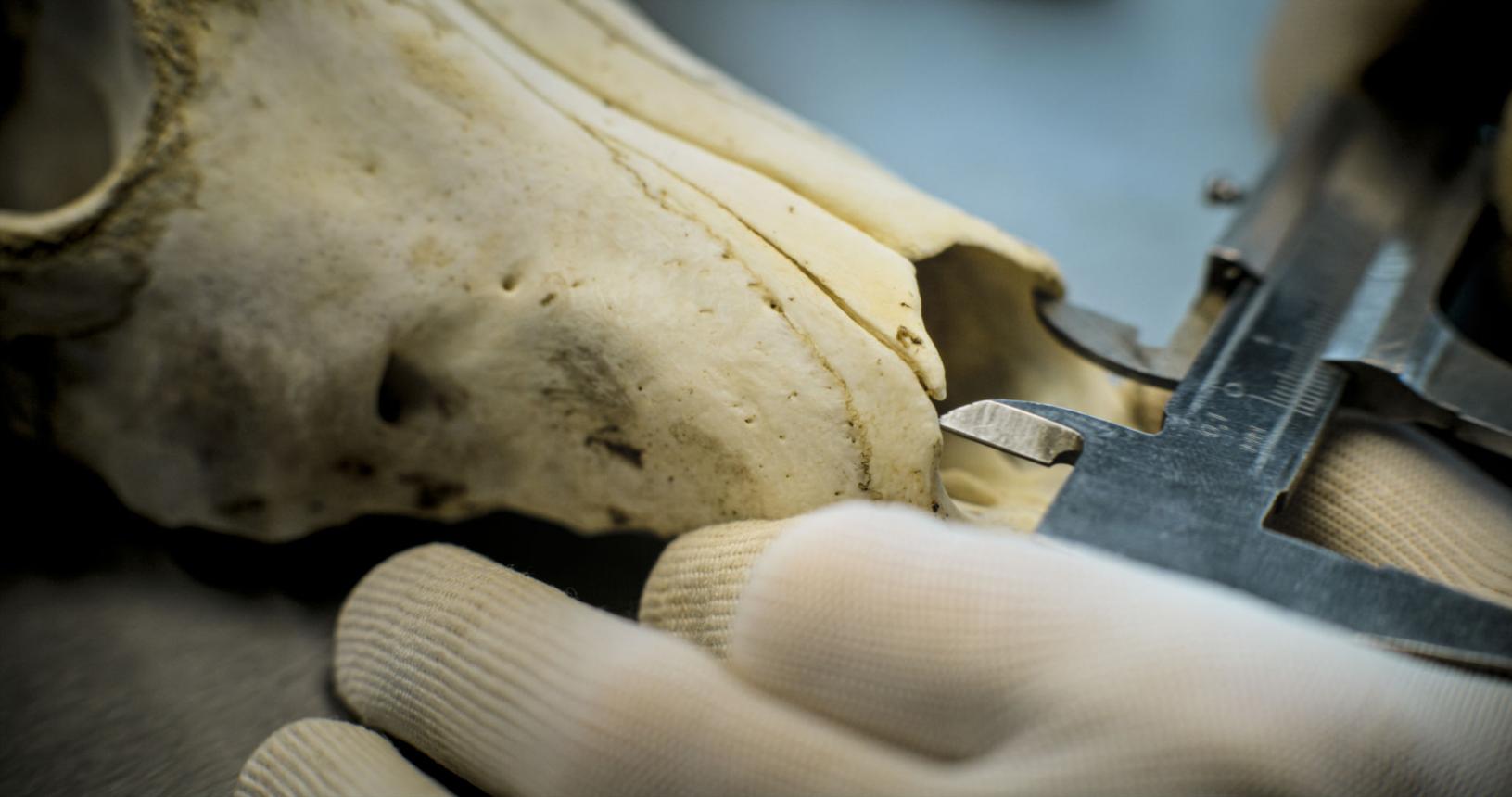
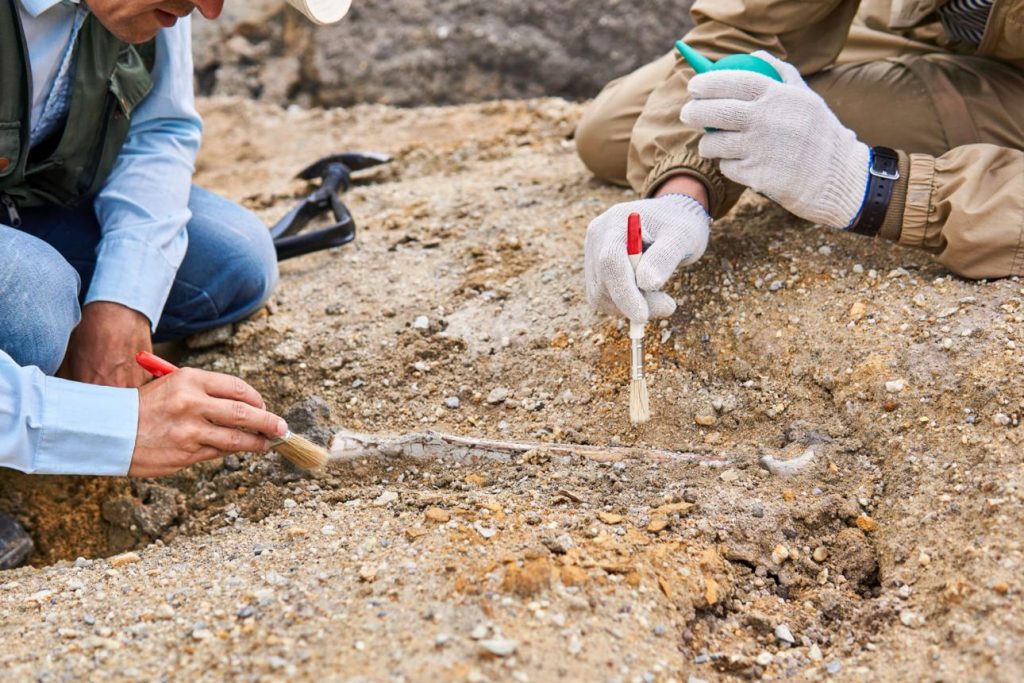
When most people think of archaeology, they picture someone carefully brushing dirt off ancient bones under the hot sun. While that image still holds true in many ways, modern archaeology has evolved into something far more advanced. Today, it’s just as much about data as it is about digging.
One of the most revolutionary tools in recent years is LiDAR (Light Detection and Ranging). This technology uses laser pulses from aircraft to scan the ground below, revealing hidden structures beneath dense forests or terrain. Entire cities have been discovered this way places that would have taken decades to uncover using traditional methods. Drones have also become essential. They allow archaeologists to map excavation sites from above, and identify patterns that aren’t visible from ground level. This aerial perspective has made site analysis faster and more accurate.
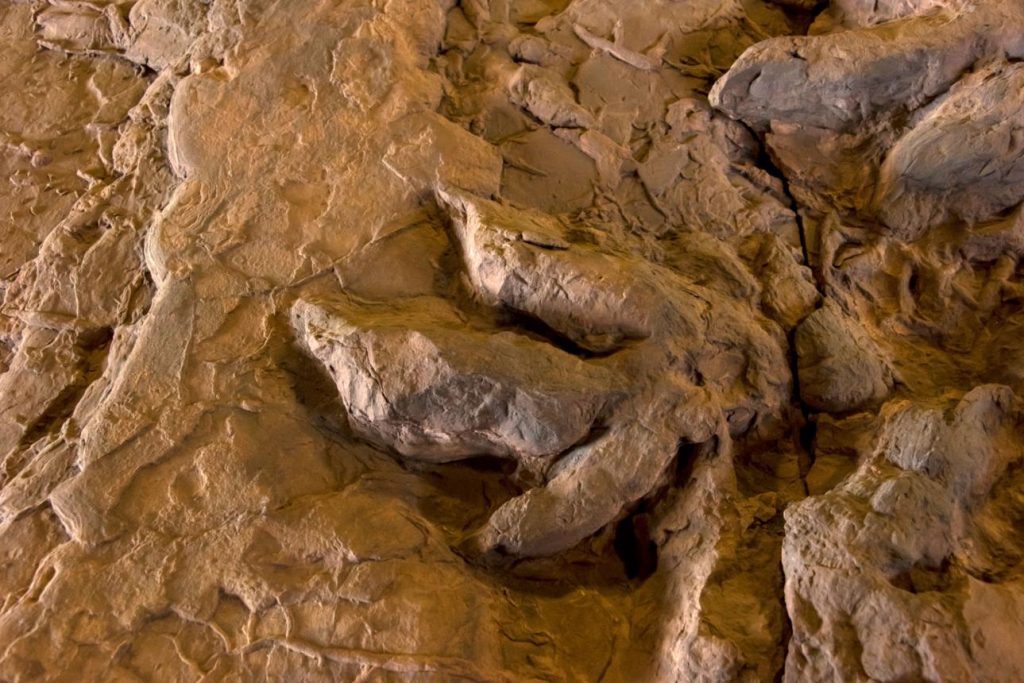
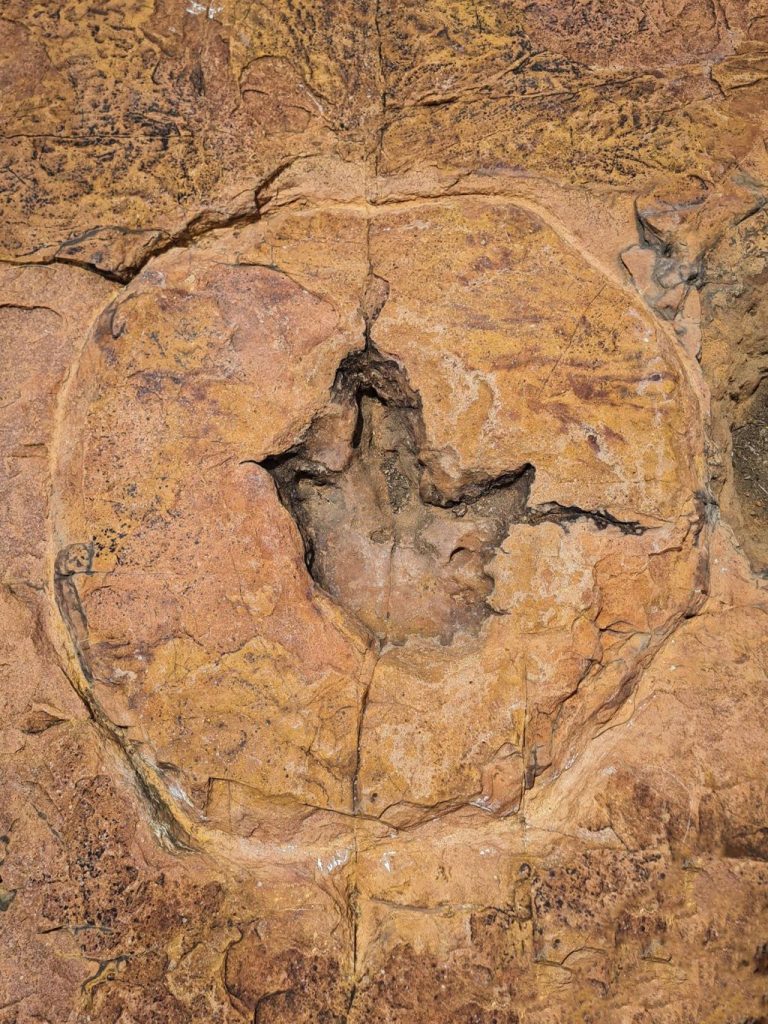
Another game changing development is digital reconstruction. Fossils and artifacts can now be scanned and recreated in 3D, allowing scientists to study them in detail without risking damage to the original specimen. These models can even be used to simulate movement or test theories about how ancient creatures lived. What’s especially interesting is how these technologies are making archaeology less invasive. Instead of disturbing large areas of land, researchers can now gather data with minimal impact, preserving sites for future study. Modern archaeology is no longer just about uncovering the past, it’s about understanding it through technology. And as these tools continue to evolve, the way we explore history will keep changing with them.