Aaron Niles / 4-27
Not all fossil sites are the same. Some locations around the world have produced discoveries so significant that they’ve shaped our entire understanding of prehistoric life. These sites are like windows into the past, preserving moments that would otherwise be lost to time. One of the most famous is the Hell Creek Formation in North America. This site has yielded fossils from the very end of the dinosaur era, including some of the most well known species ever discovered. It offers a snapshot of life just before the mass extinction event.
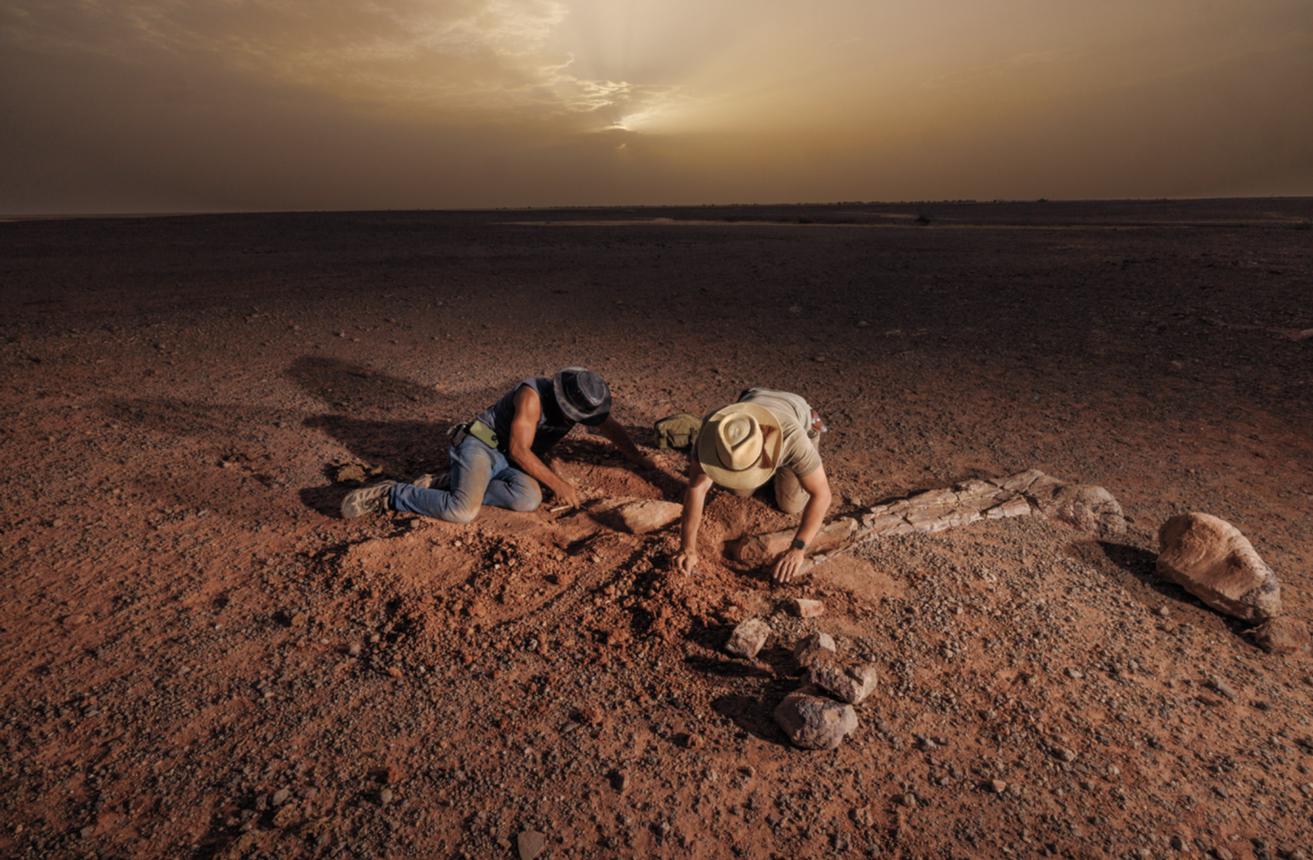
The Gobi Desert is another legendary location. Harsh and remote, it has produced incredibly well preserved fossils, including dinosaur eggs and nesting sites. These finds have provided rare insight into dinosaur behavior and reproduction. Other important sites across South America, Africa, and Asia continue to produce new discoveries every year. Each one adds another layer to our understanding of how dinosaurs lived across different environments.
What makes Liaoning so extraordinary isn’t just the number of fossils found there it’s the level of detail preserved. These fossils don’t just show bones, they reveal soft tissues, feather impressions, and even traces of skin patterns. For scientists, that kind of preservation is incredibly rare. Some of the most important discoveries from this region include small, feathered dinosaurs that blur the line between reptiles and birds. These fossils provided strong evidence that birds are not just related to dinosaurs they actually evolved from them. It’s one of the clearest evolutionary links ever discovered.
Right in the middle of a modern city lies one of the most unusual fossil sites in the world, the La Brea Tar Pits. Unlike most excavation sites that are hidden in remote deserts or cliffs, this one sits in Los Angeles, surrounded by streets, buildings, and everyday life. Beneath the surface, the tar pits hold a remarkably detailed record of the Ice Age. Thousands of years ago, natural asphalt seeped up from the ground, forming sticky pools that trapped unsuspecting animals. Herbivores would wander in and become stuck, and predators drawn by easy prey would follow, only to suffer the same fate. Over time, this created a dense accumulation of fossils, preserved in incredible detail. What makes La Brea so valuable is the sheer number and variety of fossils found there. Saber-toothed cats, dire wolves, mammoths, and giant ground sloths have all been recovered from the site. Because so many specimens exist, scientists can study entire populations rather than isolated individuals.
Long before dinosaurs walked the Earth before forests, mammals, or even fish as we know them there was a time when life was just beginning to take shape in the oceans. One of the most important windows into that distant past is the Burgess Shale in Canada. Dating back over 500 million years, the Burgess Shale captures a moment in time known as the Cambrian Explosion, when life on Earth rapidly diversified into a wide range of complex organisms. What makes this site so extraordinary is its preservation of soft-bodied creatures organisms that would normally decay long before fossilization could occur. Instead of just shells or bones, the Burgess Shale preserves entire organisms in fine detail. Some of these creatures look almost alien, with unusual body shapes and features that don’t resemble anything alive today. Yet many of them represent early versions of modern animal groups.
What makes these sites so valuable isn’t just what’s been found, but what’s still waiting to be uncovered.