Aaron Niles / 4-25
At first glance, a fossil might look like nothing more than a collection of old bones. But to a paleontologist, each piece carries an incredible amount of information. Every part of the bone tells a story about how a dinosaur lived its life millions of years ago.
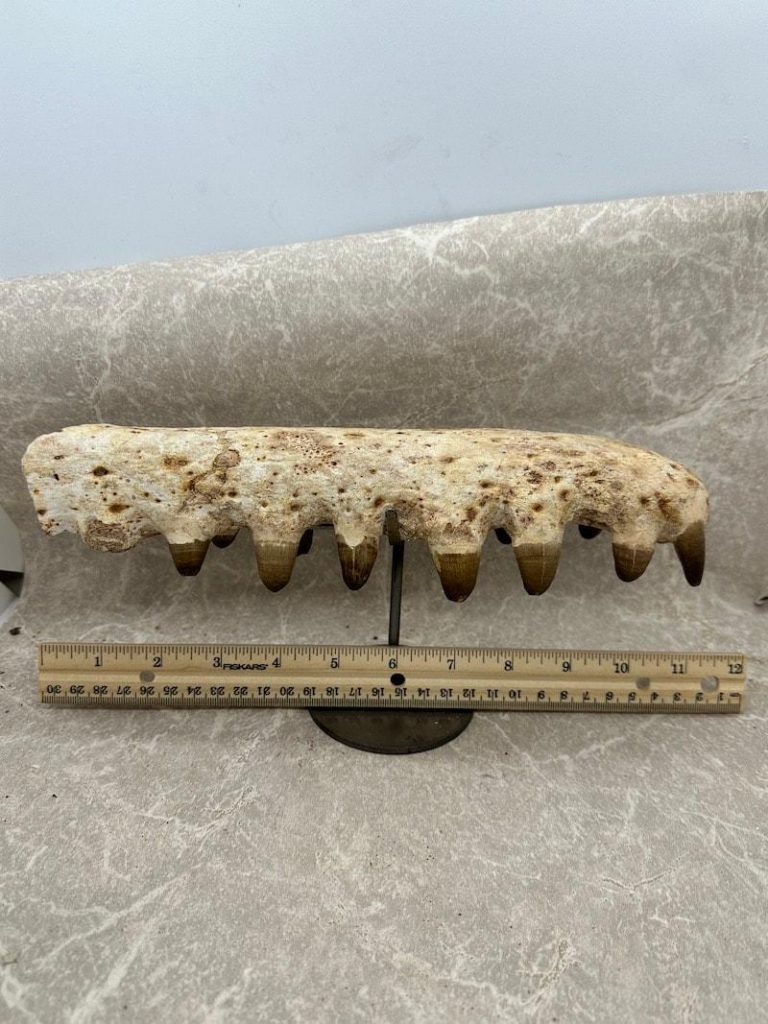
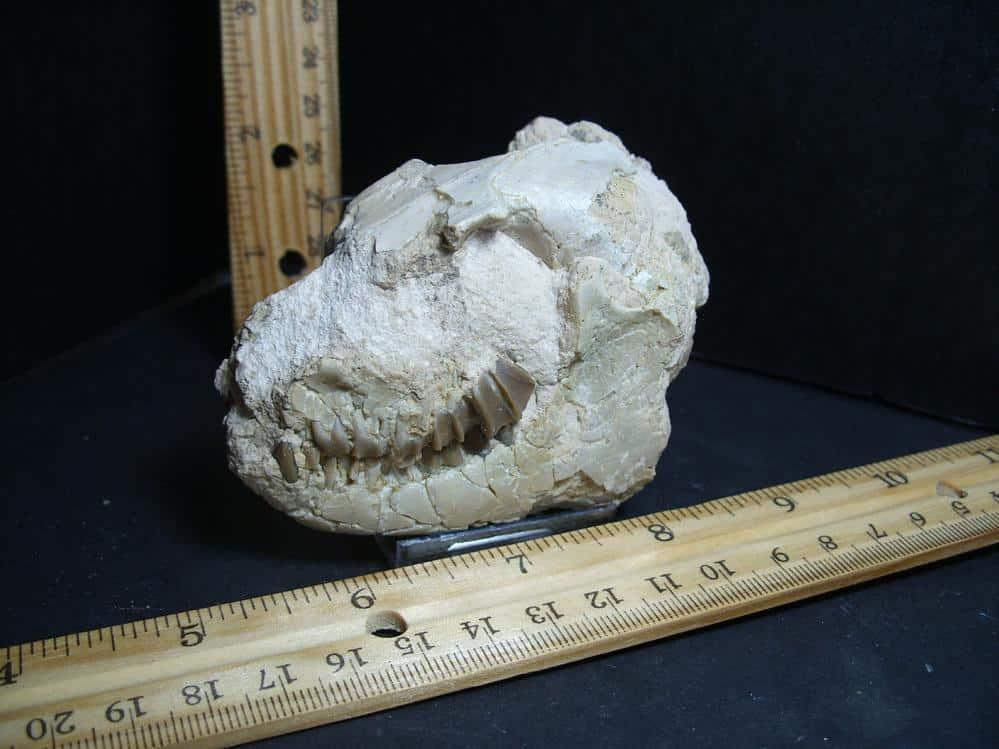
Take teeth, for example. Sharp, serrated teeth usually indicate a carnivorous diet, designed for tearing flesh. Flat or ridged teeth suggest herbivores that spent their time grinding down tough plant material. Something as small as a tooth can completely change our understanding of a species. Limbs are equally revealing. Long, powerful legs might indicate a fast runner, while shorter, sturdier limbs could suggest a slower, heavier animal. Joint structures can even show how flexible a dinosaur was and what kind of movements it was capable of. Bone density also plays a role. Some fossils show evidence of hollow bones, similar to modern birds, which suggests certain dinosaurs were lighter and more agile than previously thought.
When you start to look at fossils this way, they become more than just remains—they become records of life. And the more we study them, the more detailed that record becomes.